

Oven Repair in Minneapolis
Same-day or next-day appointments may be available. Call or text to confirm the current schedule.


Oven Ignitors Installed in One Day
An oven that won't heat, one that takes forever to preheat, or a burner that won't light usually means dinner plans falling apart fast. My name is Larry, and my 45 years of experience cover oven and stove repair across the Twin Cities. The visit is $89, every repair carries a one-year warranty, and you reach me personally when you call or text.
Igniter replacement and heating-element repair are two of the most common oven and stove failures I see, whether it runs on gas or electric, and I carry parts for both in my van, so most repairs finish in one visit.
Gas Smell From Your Oven: Stop and Call
A sulfur smell or a popping sound when the oven lights usually points to delayed ignition, and it's not something to wait on. It matters whether you smell it only while the oven is running or even when it's completely off.
A smell that's only there while the oven is on often points to the burner or the ignitor, while a smell that never goes away is more serious and can mean a leak in the gas line itself. Either way, turn the oven off and call. If the smell is strong or constant, leave the house first and call your gas utility from outside before anything else.
Visible sparking, a burning smell, or a control panel too hot to touch means stop using the oven and cut power at the breaker if you can do it safely.
Common Oven Problems I Fix
Most oven calls start with something small that got hard to ignore. The oven turns on but never gets properly hot, or takes far longer than it should to reach temperature; on a gas oven, that's often the ignitor, while on an electric one, it's the heating element.
Sometimes one side of the cake browns while the other stays pale, or the same recipe comes out different every time, which is often a sensor reading wrong or a heating element failing in one spot rather than all at once.
A burner that won't light is usually the result of something boiling over, running onto the burner, and hardening, blocking the small passage that connects the gas burner to the electrode. A door that doesn't close flush lets heat escape mid-cook, which throws off both temperature and cook time even when everything else is working fine.
Buttons that don't register, a display that has gone dark, or settings that change on their own all trace back to the electronics rather than the heating parts. And when an oven starts normally but shuts itself off partway through, it could be a thermal safety switch or a control board, and it's worth a closer look before you run it again. Two ovens with the same symptom can fail for different reasons, so I want to see yours before I name a part.
Call Today: (612) 913-6986


Six Things Worth Knowing About Your Oven
Try a paperclip on a burner that won't light. With the burner off and cool, straighten the tip and clear the small hole connecting the burner to the electrode, then reassemble and test. If that isn't it, or if you'd prefer not to, please call me.
Crack a window or run the range hood on long cook sessions. A gas oven uses oxygen to keep the flame burning, and feeling unusually drowsy after it's been on for a while isn't normal. If that happens, turn off the oven, get fresh air, and have the gas connections checked.
Go easy on a glass smooth-top range. It's glass, and it breaks like glass. Use flat-bottom pots only, since a rocking pot won't heat evenly and can look like a broken burner when it isn't one.
Watch for a weak ignitor. If a gas oven takes much longer than it used to start heating, or the ignitor glows but the flame never comes, the ignitor is usually on its way out.
Check the breaker on an electric oven. Ovens run on a double breaker, and if only half of it has tripped, the lights and clock can still work while the oven won't heat.
Think twice about the self-clean cycle. It runs far hotter than normal cooking, and it's a common moment for a thermal fuse or control board to give out, so wipe up spills as they happen instead.
How Long Should an Oven Last?
Of everything I repair, ovens tend to last longer than the rest. A well-maintained gas oven can serve a family for many years, and the first ignitor replacement, usually around the eight-year mark, is normal wear rather than a sign that anything has gone wrong. A good gas oven can typically handle three or four ignitor replacements over its lifetime before replacement makes more financial sense than another repair. Where you land also depends on how long you plan to stay in the house, and I'm glad to talk through that honestly before you decide anything.
Talking to Me on the Phone
Nobody screens your call. Tell me the brand, whether the oven is gas or electric, and what's going wrong. The model number helps if the label is easy to reach without taking anything apart. It also helps to tell me exactly when the trouble happens: whether the oven heats at all, whether there's a smell, and what stage of cooking it acts up in. Each of those points me toward a different likely part, so the specifics save time once I'm at your door. Then I'll say whether I'm the right person for it and about when I could arrive.
I'll diagnose in person before I provide a quote, and we won't proceed until you approve. There's one extra step I take on a gas repair: once it's fixed, I'll light it in the kitchen so you can see it's working properly. That's not a formality to me. It's part of finishing the job properly.
What an Oven Repair Runs
The trip out and the diagnosis are $89. The repair is a separate charge, as explained before I begin any work. I install genuine manufacturer parts first. If a part is discontinued or on backorder, I'll walk you through an aftermarket alternative and get your approval before installing it. Both the part and my labor installing it carry a twelve-month guarantee, spelled out in the written warranty. Evenings, weekends, and holidays: the price stays the same.
Worth Fixing, or Time for a New One?
Ovens hold up better than most of what I work on. A single failed part, an ignitor or a heating element more often than not, accounts for most of what I see, and a well-kept unit can go through that kind of repair more than once before a new oven starts making more sense financially. It usually tips when the control board and a heating component go out close together, or when a part is no longer made. I'll put the repair cost next to the price of a comparable new oven before you decide, and if replacing is the better option, I'll be upfront about it.
Questions Customers Ask About Oven Repair
Will you work on my brand? Nearly always, gas or electric, oven, range or stove. Give me the brand and model up front, and I'll confirm I can handle it before you commit to a visit.
What does it cost to have you look at it? A flat $89 covers the trip and a complete diagnosis. Any follow-up repair is priced separately and explained before I begin.
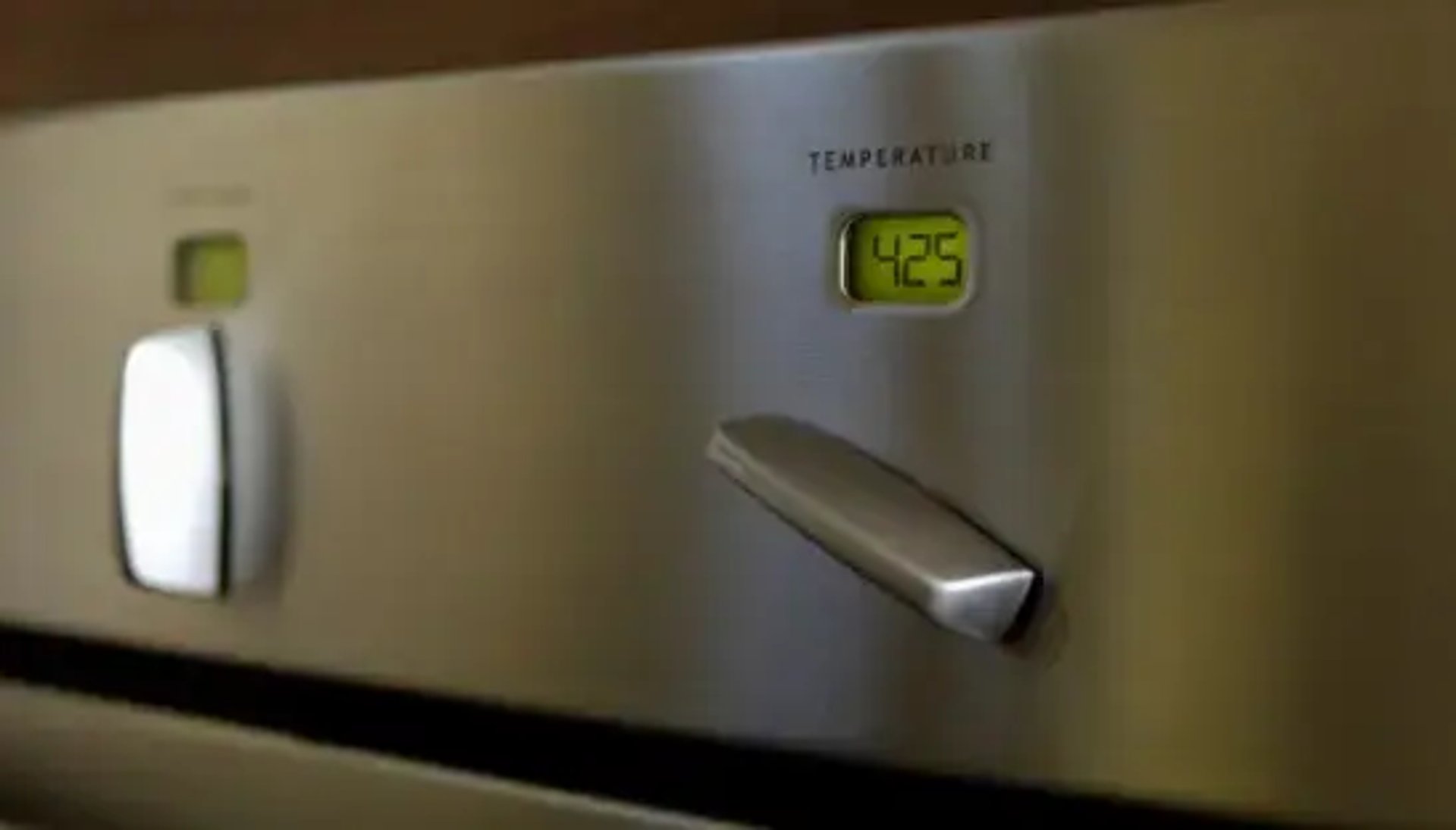
My oven feels like it's running hot or cold. Is that really the oven, or my thermometer? More often than not, it's the thermometer. I've checked several ovens; customers reported they ran 100 degrees off, and my own meter read them accurately. Those small dial thermometers from the grocery store are usually the culprit, not the oven.
Can you come out today? That depends on what's already booked that day. Send a text or call, and you'll get a quick answer so you won't be left guessing.
Are you installing real manufacturer parts? Yes, whenever they're available. If circumstances call for an aftermarket substitute instead, we discuss that before it's installed, not afterward.
What's actually covered under the warranty? A full year on the specific part installed, plus the labor to install it. This covers that repair; it isn't blanket coverage for something unrelated that might fail later.
Reach Larry About Your Oven
Give me your ZIP code, the brand, whether the oven is gas or electric, and a few words on the trouble. You'll hear back clearly on whether I can handle it and how soon I can be at your door.
Call Today: (612) 913-6986
Oven Repair Tips
I have seen many oven door glasses with drips between the panes. It is unsightly and very hard to correct unless you replace the affected glass. In my opinion, the solution is to judge your meals accordingly. If it's a dish like soup that steams a lot, it's probably best to cook on the stovetop, where steam can escape rather than build up in the oven and drip down the oven door. If it's a sealed container, you will probably be OK.
I am not sure why, or whether there is any scientific explanation, but I do know that when you put aluminum foil on the oven floor, it always ruins the finish and sticks to the surface, too.
If you have a child who likes to climb on things, as I did, consider installing an anti-tip bracket under the back of the oven. This won't save the oven door or even the oven in some cases, but it will save the little one in some way.
When cooking on the glass smooth-top surface, if the pot is likely to overflow, use the burners farthest from the knobs. If liquid makes its way under the knob, that's a bad day.
I sometimes see aluminum pots in clients' storage or ovens. I've read concerns about aluminum cookware over the years, so I personally choose to avoid it in my own kitchen, though I'll leave the research to each person.
Minneapolis Appliance Repair Service | Serving Minneapolis, MN & Suburbs | Call or Text Me (612) 913-6986
© 2026. All rights reserved.