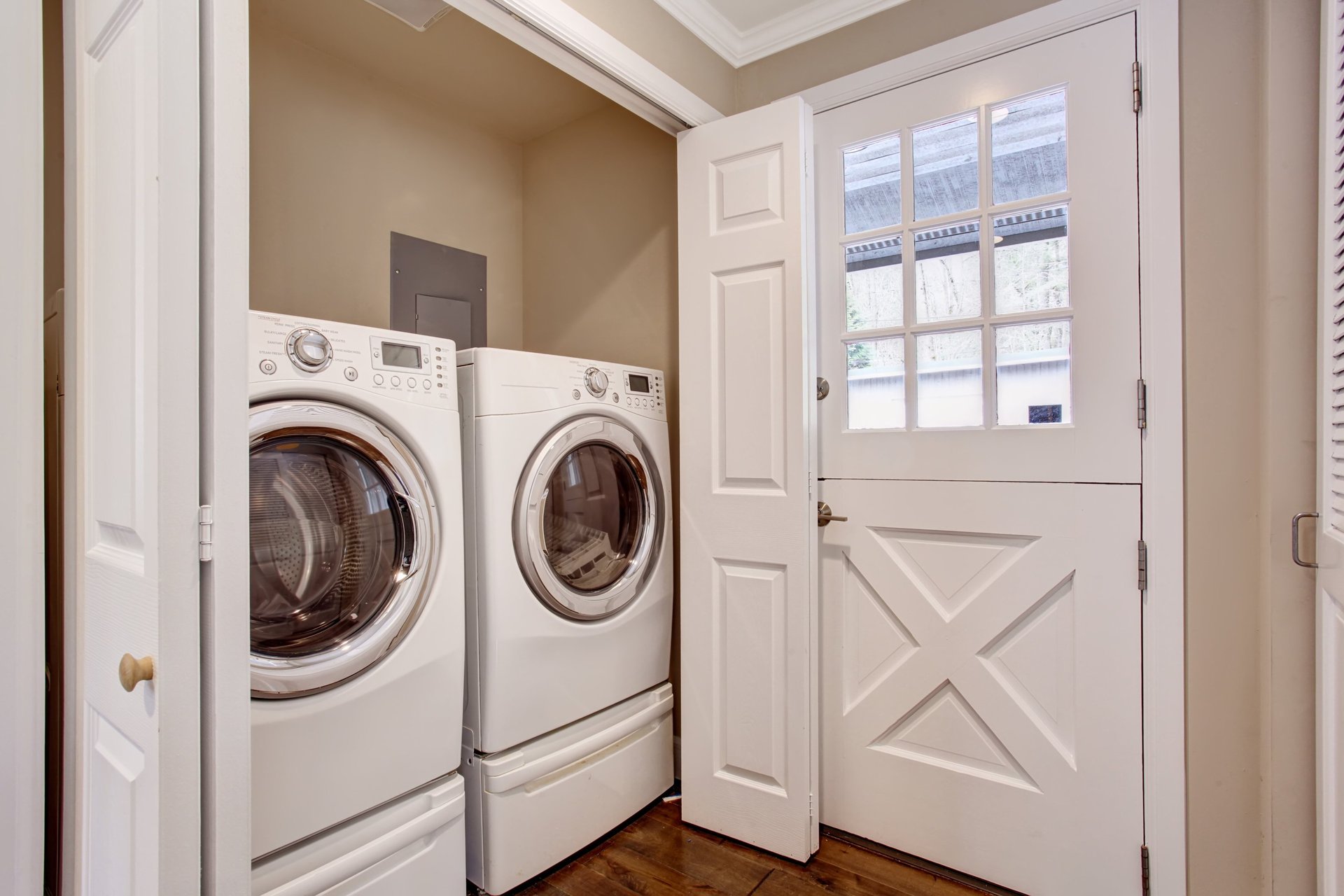
The LG Direct-Drive Difference
LG's major innovation in washing machine design was eliminating the belt, coupler, and transmission entirely. Their Direct Drive system mounts the motor directly to the wash drum through a stator and rotor assembly on the back of the tub. This reduces vibration, noise, and the number of moving parts that can fail.
The trade-off is that when the motor system does fail, it's a different kind of repair. Instead of swapping a belt or coupler, I'm testing hall sensors, checking rotor magnets, and measuring stator winding resistance. The diagnostic approach is electronics-first rather than mechanics-first, and many traditional appliance technicians struggle with this shift.
I embraced LG's engineering when it arrived in the Twin Cities market because the technology was clearly the future. Today, LG and Samsung together represent a huge portion of the washers sold in the metro area, and my investment in learning their systems pays dividends on every call.
An LG Front-Load That Shook the Whole House
A homeowner in Golden Valley called about her LG front-load washer that vibrated so violently during the spin cycle that dishes rattled in the cabinets upstairs. She'd already re-leveled the machine twice and made sure loads were balanced.
Excessive vibration on an LG front-loader points to one of three things: worn shock absorbers, broken spider arm, or damaged tub bearing. I removed the top panel and ran a spin cycle while observing the outer tub movement. The tub was wobbling on its axis, not bouncing on its shocks.
When I pulled the tub apart, I found the spider arm — the aluminum casting that connects the inner drum to the rear bearing — had cracked at one of its three arms. Detergent residue and moisture had corroded the aluminum over time. This is a known LG issue. I replaced the spider arm and the tub bearing and seal together, since accessing the bearing requires the same disassembly. The washer now spins at 1,200 RPM with barely a hum.
Common LG Washer Problems
Tub Bearing and Seal
LG front-loaders develop bearing rumble over time, especially with heavy use. The rumbling sound gets progressively louder during spin cycles. Replacing the bearing requires splitting the tub, which is labor-intensive but saves the machine.
Spider Arm Corrosion
The aluminum spider arm connecting the drum to the bearing corrodes from moisture and detergent exposure. When it cracks, the drum wobbles violently. I always inspect the spider arm when doing a bearing replacement.
Hall Sensor Failure (LE Error)
The hall sensor monitors rotor position for the direct-drive motor. When it fails, the washer throws an LE error. The sensor is a small, inexpensive part mounted on the stator assembly. I test it with a multimeter before ordering a replacement.
Drain Pump Failures
LG drain pumps handle high-speed extraction water flow. They can get jammed by small objects or burn out their motor. The OE error code usually points to the pump or a kinked drain hose.
LG Washer Parts Availability
Hall sensors, drain pumps, door boot seals, and shock absorbers are the parts I carry for LG washers. Bearing and seal kits and spider arms are ordered per-repair because they're model-specific. LG parts typically arrive within two to three business days from local and national distributors.
LG Washers Are Worth the Investment in Proper Repair
LG washers cost more than basic top-loaders, which means the financial math favors repair over replacement in almost every scenario. Even a bearing replacement, which is the most labor-intensive LG washer repair, costs a fraction of a new machine. These washers are designed to run for 15+ years, and proper repairs keep them on track.